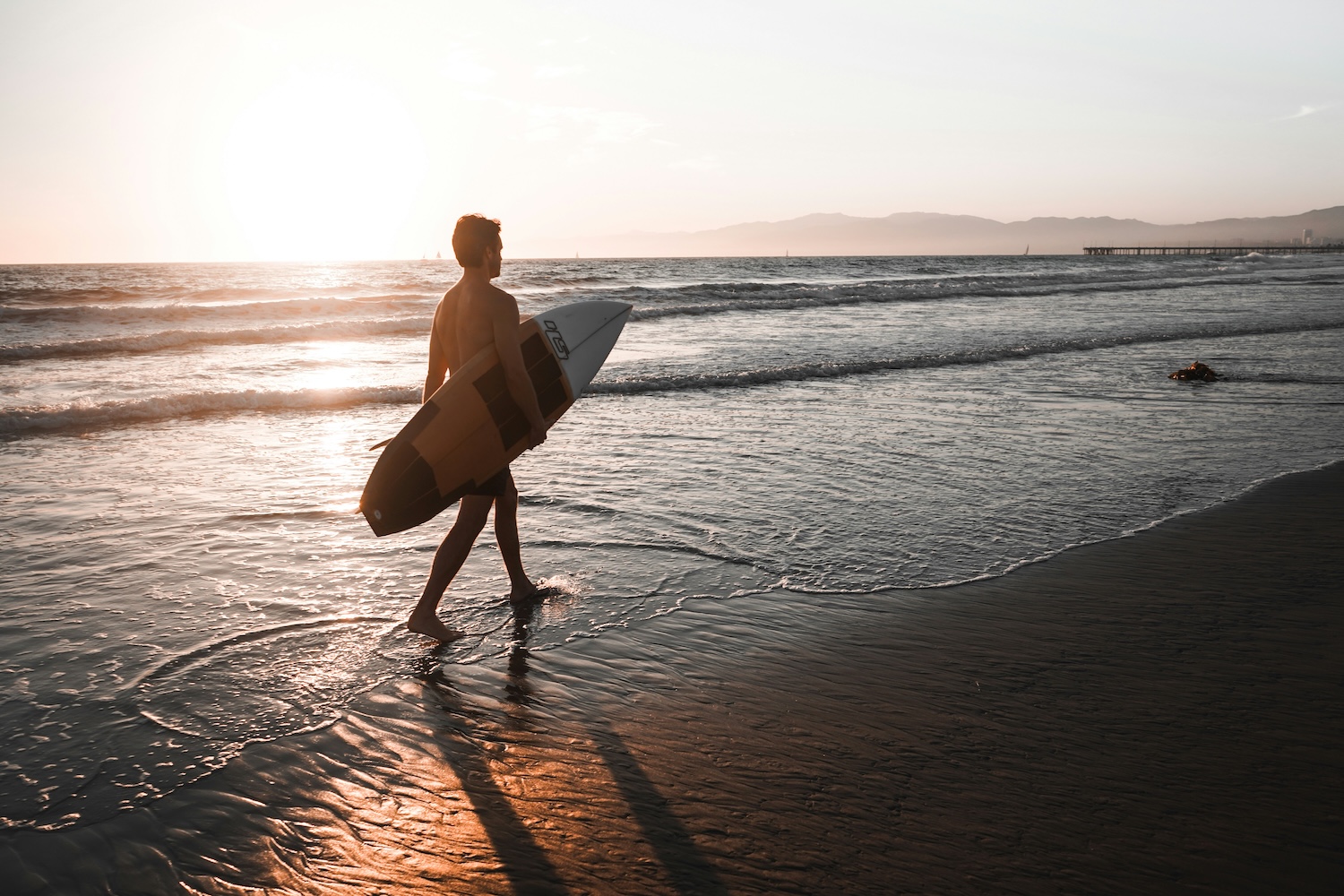
Two coasts, one limestone village, and a national park at the end of the road.
Activities
Things to Do in Sorrento
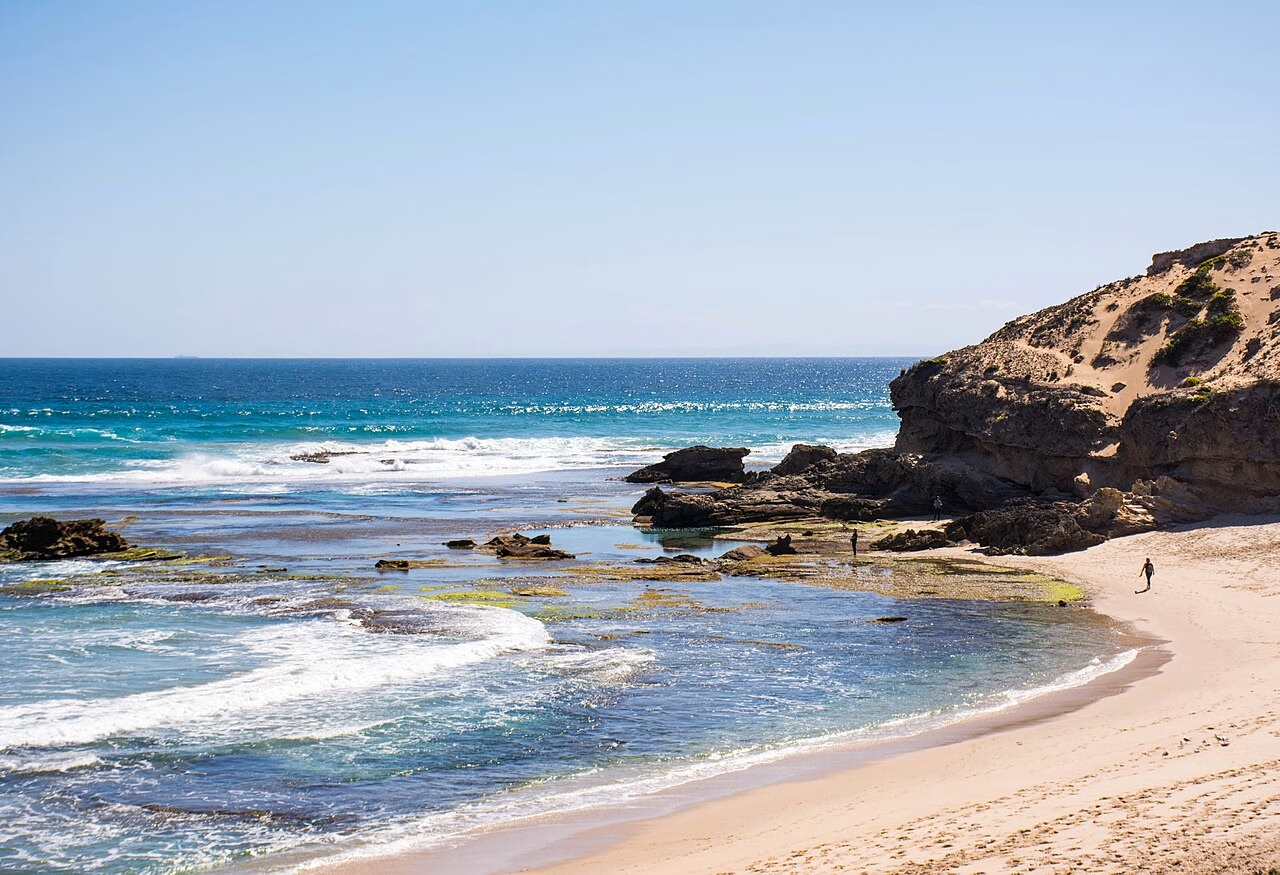
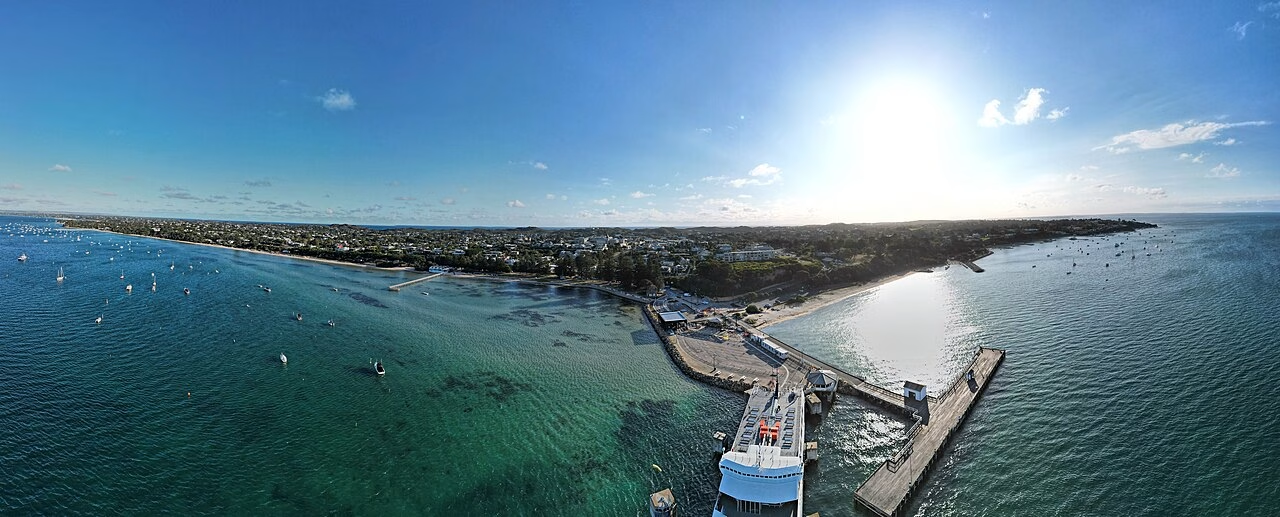
The village sits on a narrow ridge of limestone between two very different waters. On one side, Port Phillip Bay laps at the front beach and the ferry comes and goes on the hour. On the other, a short walk over the hill, Bass Strait works away at the cliffs of the back beach. Most of what there is to do in Sorrento, Victoria happens somewhere between the two.
This is Bunurong Country. It also holds the site of the first attempt at European settlement in what is now Victoria, a main street of 1870s limestone, and the gates of Point Nepean National Park. What follows is a local’s guide to the lot: rock pools and dolphin swims, galleries and cellar doors, the Saturday museum and the long walks, with a link from each section to where you can go deeper.
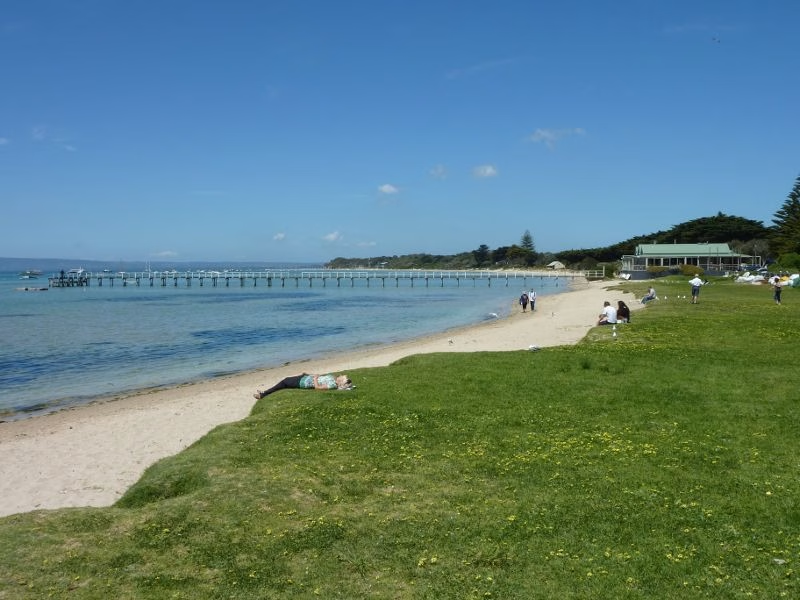
Sorrento is one of the few places where you can choose your sea. The bay is for long, still swims and children with buckets; the ocean is for watching, walking and, between the flags, a cold and thrilling dip.
You do not need boots for most of Sorrento’s walking. You need a free morning, a jacket for the wind, and the patience to stop every few hundred metres because the view has changed again.
At the very end of the peninsula, about ten minutes’ drive from the village through Portsea, the land narrows to a point where the bay meets the open sea at The Rip. Point Nepean National Park is where Sorrento’s history gets serious.
Sorrento has always faced the bay. Paddle steamers brought the first holidaymakers here in the 1870s, and the water is still the best way to understand where you are.
Sorrento is the gateway to one of Australia’s finest cool-climate wine regions. The Mornington Peninsula has more than 50 cellar doors, most of them in the hills of Red Hill and Main Ridge, 30 to 40 minutes’ drive from the village.
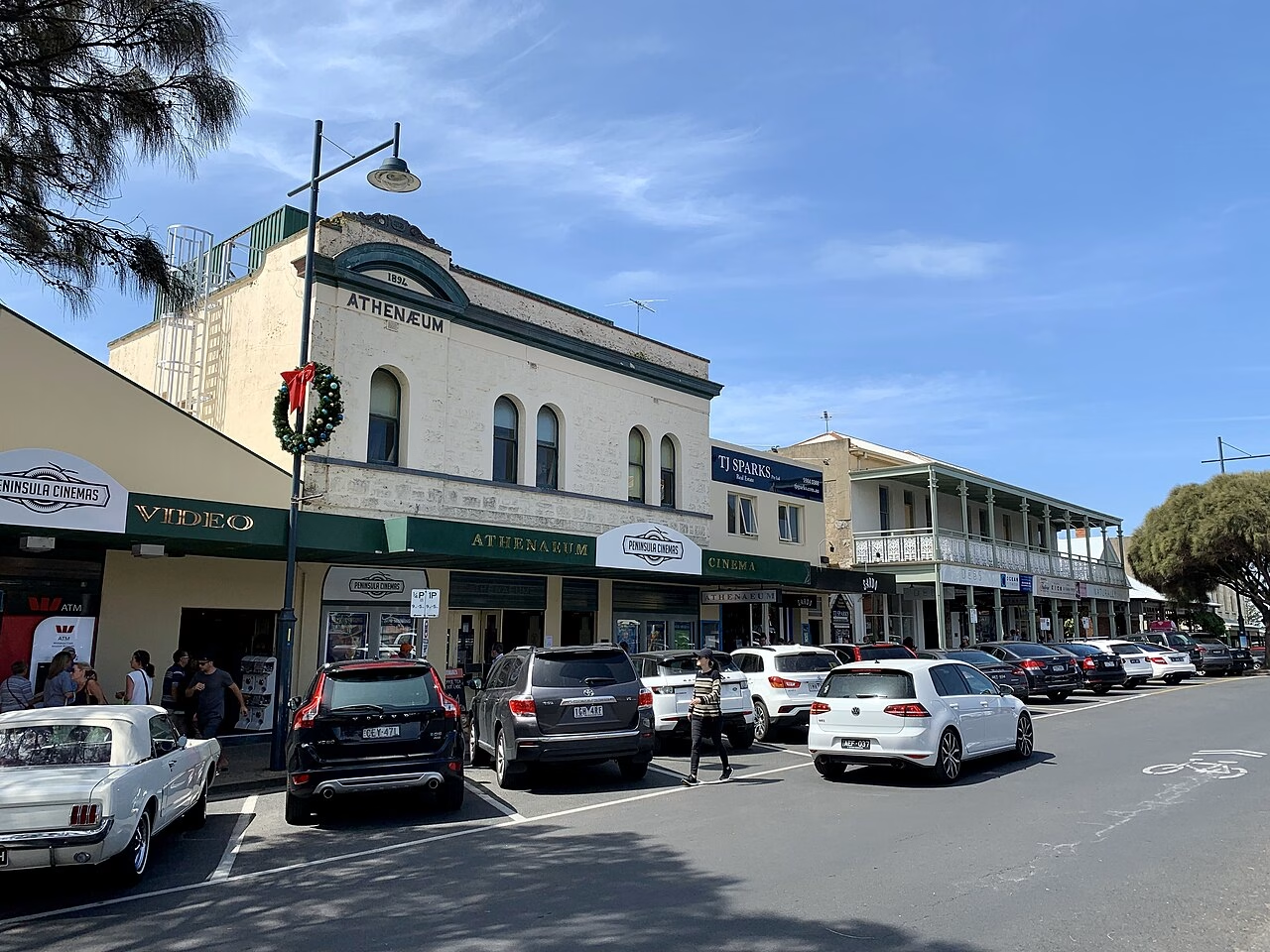
The main street climbs gently from the front beach towards the ocean, lined with honey-coloured limestone shopfronts that have been trading in one form or another since the 1870s. It is a village to wander rather than a mall to tackle: fashion and swimwear, homewares and interiors, a bookshop with its own gallery, children’s shops, delis and providores, with a coffee or a long lunch never more than a few doors away. The grand limestone hotels near the bay, The Continental and Hotel Sorrento, date from the village’s first holiday boom. Browse the shops on Ocean Beach Road, and check local offers before you come.
Painters have come to this end of the peninsula for well over a century, drawn by the light on the water and the pale stone, and the tradition is still alive on Ocean Beach Road. Within a few hundred metres you can visit Manyung Gallery Sorrento, Christopher Vine Gallery, Monicaart Gallery, Saltwater, Big Chair, Curate Art & Design and the gallery inside Antipodes Bookshop, with Art & Gallery Australia around the corner on Morce Avenue. Pair a gallery afternoon with the Sorrento Portsea Artists Trail to see the coast through earlier eyes.
In October 1803, Lieutenant-Governor David Collins landed convicts, marines and free settlers at Sullivan Bay, just east of today’s village. It was the first attempt at European settlement in what is now Victoria, and it lasted only months before the party moved on to found Hobart. One escaped convict, William Buckley, stayed behind and lived with the Wadawurrung people for 32 years. The settlement site and monument on Leggett Way are open at all times, and the Friends of the Collins Settlement run tours by appointment.
Sorrento Museum
The Nepean Historical Society’s museum at 827 Melbourne Road brings together the 1876 Mechanics’ Institute, Watts’ Cottage and a gallery of objects recovered from the 1803 settlement, along with photographs, maps and a family history library. It opens on Saturdays from 10.30am to 1.30pm, and by appointment.
The holiday village
In the 1870s, the entrepreneur George Coppin set out to turn Sorrento into a seaside resort, bringing paddle steamers from Melbourne and building in local limestone. A steam tram once carried day-trippers from the pier over the hill to the back beach. Walk Ocean Beach Road with that in mind and the village reads like a book. Discover more of Sorrento’s history.
Markets
Markets
The peninsula’s community markets run monthly, mostly from spring to autumn, and are the best place to meet the makers and growers behind the region’s food and craft.
Each autumn, writers and readers fill The Continental, the Couta Boat Club, the RSL and rooms across Sorrento and Portsea for four days of talks, lunches and conversations. The next festival runs from 29 April to 2 May 2027.
Village celebrations
Through the year the Chamber and local groups bring the village together, from Taste Sorrento’s celebration of local food and wine to Christmas carols on the foreshore in December. See what’s on.
Clubs and groups
Summer brings Nippers at Sorrento Surf Life Saving Club, winter brings football and netball, and the Couta Boat Club races through the warmer months. The Nepean Historical Society holds talks and guided history walks, and the Sorrento Community Centre runs classes and activities through the year. Visitors are welcome at many of them.
Families
Things to do in Sorrento with kids
Children tend to set their own itinerary here, and it usually involves water. Start with the shallows of the front beach, then take them to the back beach rock pools at low tide to find crabs, anemones and sea stars (stay close; the rocks are slippery and the swell can surprise). The tunnels at Fort Nepean, the shuttle ride and the bow of the Queenscliff ferry all rate highly with young explorers, and older children can join a dolphin swim in season.
The sand-dune links courses of the southern peninsula are some of the most admired in the country. Sorrento Golf Club and Portsea Golf Club are member clubs that take visitors on set days, while Moonah Links and St Andrews Beach at Fingal, The Dunes at Rye and The National at Cape Schanck are all within half an hour. Book tee times ahead in summer.
Summer is the village at full voice: the ferry crowd, patrolled surf at the back beach, children on the front beach until dusk and every table booked. Come early in the day and stay late.
Autumn is the local favourite. In March the bay is still at its warmest, the crowds have gone home, the limestone turns gold in the late light and the Writers Festival fills the village with conversation.
Winter belongs to walkers and the hot springs. The back beach is wild and empty, the restaurants light their fires, and you can have Millionaires Walk to yourself.
Spring is the return: wildflowers along the coastal tracks, markets restarting, the dolphin season beginning in October and the first swims of the year.
Good to know
Frequently asked questions
What is Sorrento, Victoria known for?
Sorrento is known for its two coasts (a calm bay beach and a rugged ocean beach), heritage limestone buildings, dolphin swims, the Queenscliff ferry, Point Nepean National Park and its place in history as the site of Victoria’s first European settlement attempt in 1803.
Can you swim at Sorrento Back Beach?
Yes, but only between the red and yellow flags when Sorrento Surf Life Saving Club is on patrol: every day in the summer and Easter holidays and on weekends in between. The ocean has strong rips. The rock pools are safest at low tide.
How long is the ferry from Sorrento to Queenscliff?
About 40 minutes. Searoad ferries leave on the hour from 7am to 6pm every day of the year and carry foot passengers, cars, bikes and dogs.
When can you swim with dolphins in Sorrento?
Dolphin and seal swim tours run from October to April and leave from Sorrento. Book ahead in summer.
Are there wineries near Sorrento?
Yes. The Mornington Peninsula has more than 50 cellar doors, most in Red Hill and Main Ridge, 30 to 40 minutes’ drive from Sorrento. The region is best known for pinot noir and chardonnay.
What is there to do in Sorrento in winter?
Walk the coastal tracks, visit Point Nepean’s fort and Quarantine Station, soak at the hot springs at Fingal (about 20 minutes away), browse the galleries and shops of Ocean Beach Road and visit the museum on a Saturday.
How far is Sorrento from Melbourne?
About 90 minutes’ drive via the Mornington Peninsula Freeway, or take the ferry from Queenscliff if you are coming from Geelong or the Bellarine.
Getting here
Plan your visit
Drive from Melbourne in about 90 minutes, cross on the ferry from Queenscliff, or take the train to Frankston and bus route 788 down the peninsula. Once you arrive, the visitor information centre on the foreshore has maps and local advice. Find where to stay, and read more about getting here and around.